
For millions of people, the day doesn’t truly begin until the first sip of coffee. Whether it’s a creamy latte, a bold espresso, or a simple black brew, coffee has become a daily ritual across the globe. But where did this beloved beverage come from? The story of coffee stretches back centuries and is filled with legends, trade, exploration, and innovation.
The Legend of Kaldi
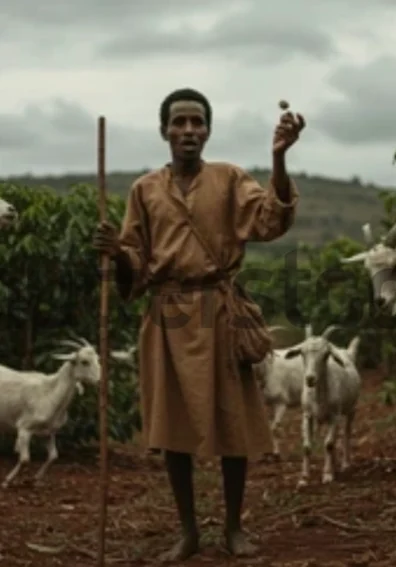
The most famous story of coffee’s discovery begins in the highlands of Ethiopia around the 9th century. According to legend, a young goat herder named Kaldi noticed that his goats became unusually energetic after eating bright red berries from a certain shrub. Curious, Kaldi tried the berries himself and experienced the same burst of energy.
He shared his discovery with local monks, who initially threw the berries into a fire, believing they were tempting. As the beans roasted, they released a rich, inviting aroma. The roasted beans were then ground, mixed with hot water, and the world’s first cup of coffee was born—or so the legend tells us.
While historians cannot confirm this story, it remains one of the most cherished tales in coffee history.
Coffee’s Roots in Ethiopia
Although the Kaldi legend may be mythical, Ethiopia is widely recognized as the birthplace of coffee. The coffee plant, Coffea arabica, grows naturally in the country’s forests. Early communities likely chewed coffee cherries or mixed them with animal fat as an energy-rich snack long before brewing the beans became common.
Coffee eventually spread beyond Ethiopia through trade routes connecting East Africa with the Arabian Peninsula.
Coffee Flourishes in Yemen
By the 15th century, coffee cultivation had become well established in Yemen. It was here that people began roasting, grinding, and brewing coffee in a way that resembles the drink we know today.
Coffee quickly became popular among Sufi monks, who drank it to stay awake during long nights of prayer and meditation. The port city of Mocha became the center of the coffee trade, giving rise to the famous name still associated with coffee today.
For many years, Yemen carefully guarded its coffee plants, exporting only roasted or boiled beans so they couldn’t be planted elsewhere.
Coffee Spreads Around the World
Despite efforts to keep coffee cultivation exclusive, travelers and traders eventually carried fertile coffee seeds to other regions.
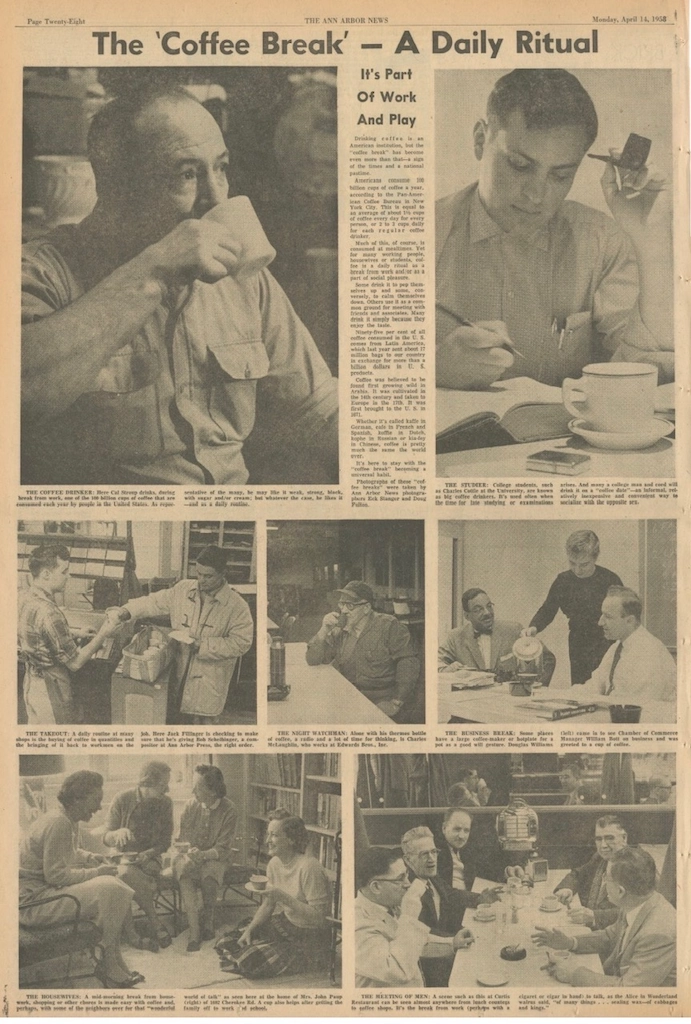
By the 16th century, coffeehouses appeared throughout the Middle East. These gathering places became centers for conversation, music, business, and intellectual debate.
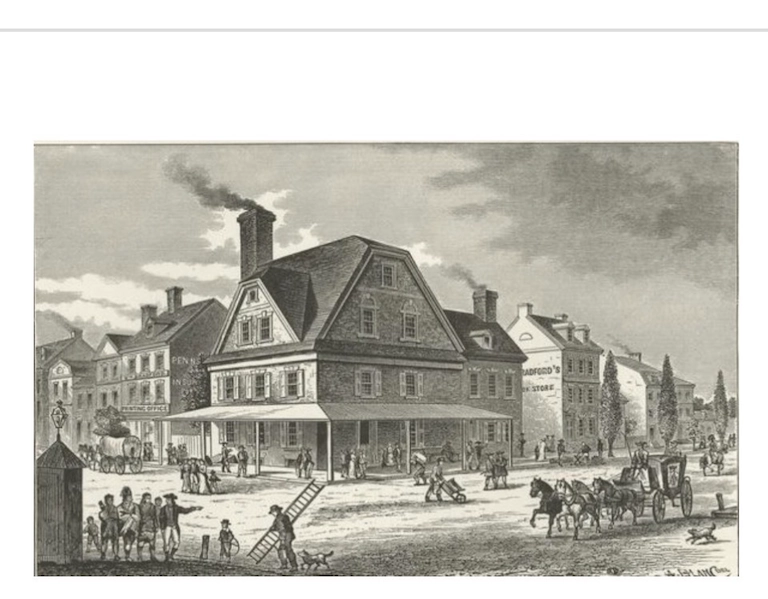
European merchants encountered coffee during their travels and brought it home. At first, some people viewed the unfamiliar drink with suspicion. However, its popularity soon exploded. Coffeehouses opened across cities like Venice, London, Paris, and Vienna, earning nicknames such as “penny universities” because people could enjoy stimulating conversations for the price of a cup of coffee.
Coffee Reaches the Americas
European colonial powers introduced coffee plants to tropical regions around the world. Coffee plantations flourished in the Caribbean, Central and South America, and Southeast Asia.
Brazil eventually became the world’s largest coffee producer, a title it still holds today. Other major coffee-growing countries include Colombia, Vietnam, Ethiopia, Honduras, and Indonesia.
Today, coffee is grown in more than 70 countries located within the “Coffee Belt,” the tropical region between the Tropics of Cancer and Capricorn.
Coffee Today
Coffee has evolved into far more than just a beverage. It is a global industry that supports millions of farmers, roasters, baristas, and café owners. From handcrafted pour-overs to specialty espresso drinks, coffee continues to inspire innovation while preserving traditions that have existed for centuries.
Scientists continue to study coffee’s health benefits, while coffee lovers endlessly explore different beans, roast levels, brewing methods, and flavor profiles.
Final Thoughts
The journey of coffee—from wild Ethiopian forests to cafés on nearly every street corner—is one of discovery, culture, and connection. Whether the tale of Kaldi’s dancing goats is fact or folklore, it reminds us that some of history’s greatest discoveries begin with curiosity.
The next time you enjoy your morning cup, take a moment to appreciate the remarkable journey those little beans have taken over hundreds of years. Coffee is more than a drink—it’s a story that continues to bring people together, one cup at a time.